How Long Does a Wood Fence Last in Buffalo?
A well-maintained wood fence in Buffalo typically lasts between 15 and 20 years, though some can endure longer with proper care. The exact fence lifespan depends on several factors, including the type of wood used, local climate conditions, maintenance habits, and exposure to the elements. Buffalo's climate, with its cold winters, snow, and moisture, presents unique challenges for wood fence longevity that homeowners need to understand.
The wood species you choose makes a significant difference in durability. Cedar and redwood are naturally resistant to decay and insects, making them popular choices that can last 15-20 years or more. Pressure-treated pine and fir are more affordable but may have a slightly shorter lifespan, typically 12-18 years. Tropical hardwoods like ipe offer exceptional durability, potentially lasting 25 years or beyond, though they come at a premium cost. When you invest in Wood & Privacy Fence Installation, the initial material selection sets the foundation for how long your fence will serve your property.
Signs You Need a New Fence in Buffalo
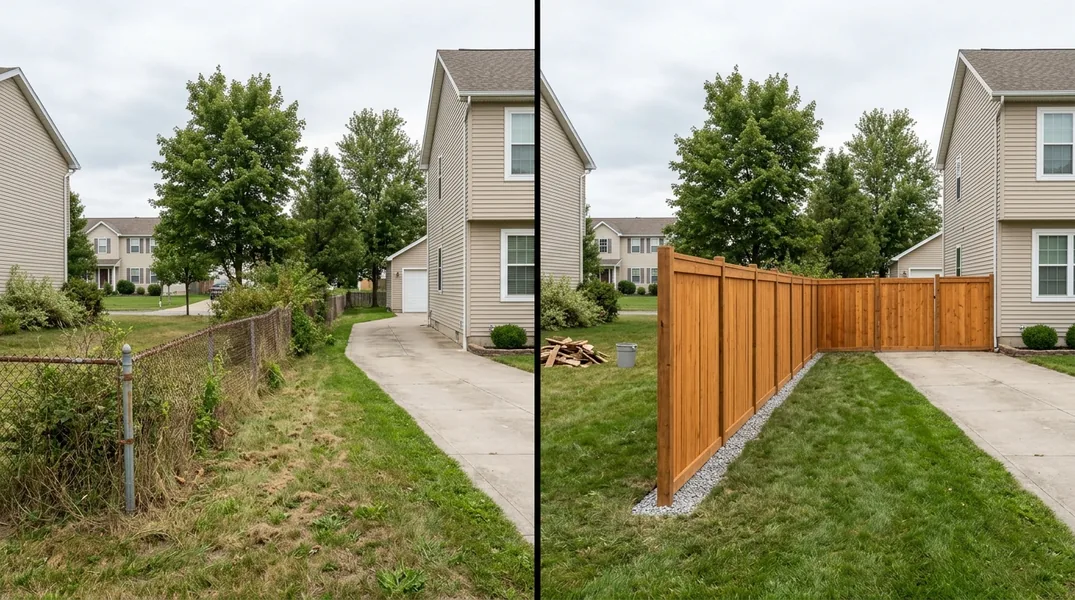
Recognizing signs you need a new fence early can save you money and prevent safety issues. The most obvious indicator is visible rot or decay, which appears as soft, discolored wood that crumbles when touched. If you notice large sections of your fence showing rot, especially near the base where moisture accumulates, replacement is likely necessary. Buffalo's freeze-thaw cycles can accelerate wood deterioration, so pay close attention to posts and lower boards that experience the most weather exposure.
Beyond rot, watch for leaning or unstable sections. A fence that leans, shifts, or feels loose when you push on it indicates structural failure, often caused by rotted posts or compromised foundations. Extensive pest damage, including termite tunnels or carpenter ant galleries, is another red flag. Weathering and color fading alone don't require replacement, but deep cracks, splintering wood, or boards that have warped significantly enough to create gaps affect both appearance and function. If you're seeing multiple of these issues across your fence, it's time to contact Buffalo Fence at (716) 274-5875 for a professional assessment and a free estimate.
Environmental Factors Affecting Wood Fence Durability
Buffalo's climate poses particular challenges for wood fence longevity. The region experiences significant snowfall, ice, and temperature fluctuations that cause wood to expand and contract repeatedly. This constant movement stresses the wood fibers and fasteners, leading to cracks, splits, and loosened nails or screws. Additionally, the moisture from snow melt and spring rains creates ideal conditions for fungal growth and wood decay if proper drainage and ventilation aren't maintained around your fence.
Soil composition and drainage around your fence posts also play a crucial role. Posts installed in poorly draining soil or areas prone to standing water will rot faster than those in well-drained locations. In areas of Cheektowaga and surrounding communities, heavy clay soils can trap moisture against wood posts, accelerating decay. UV exposure, while less intense in Buffalo's climate than in southern states, still degrades wood finish and contributes to weathering over time. The combination of these environmental stressors means that even quality wood fences require regular maintenance to reach their full potential lifespan.
Extending Your Wood Fence's Lifespan: Maintenance Tips
Proper maintenance is the single most effective way to extend your fence's life. Annual inspection is your first line of defense. Walk your entire fence line each spring and fall, looking for early signs of rot, loose boards, or damage. Clean debris from around posts and ensure water drains away from the fence base. Remove leaves, dirt, and organic matter that accumulate against the wood, as these trap moisture and promote decay. If you notice minor damage early, small repairs are far more cost-effective than waiting for problems to compound.
Sealing and staining your wood fence every 2-3 years provides a protective barrier against moisture and UV damage. Quality wood sealers penetrate the wood and prevent water absorption, which is critical in Buffalo's wet climate. Stains add both protection and aesthetic appeal, and they're available in various colors to refresh your fence's appearance. Additionally, ensure proper drainage around fence posts by grading soil away from the base and avoiding direct soil contact with wood. Consider installing gravel or maintaining a gap between the ground and lower boards to improve air circulation. When maintenance becomes overwhelming or damage is extensive, consulting with professionals about replacement options is a wise decision.
When to Replace vs. Repair Your Fence
Deciding whether to repair or replace your fence depends on the extent of damage and your long-term goals. Minor repairs, such as replacing a few damaged boards, fixing loose sections, or addressing small areas of rot, are cost-effective and can extend your fence's life by several years. If damage is isolated to one or two sections and the overall structure remains sound, targeted repairs make financial sense. However, if your fence shows widespread rot, multiple leaning sections, or damage affecting more than 30 percent of the total length, replacement is typically more economical than ongoing repairs.
Age is another important consideration. If your fence is already 15-20 years old and showing multiple signs of wear, investing in repairs may only buy you a few more years before complete replacement becomes necessary. Conversely, a younger fence with isolated problems is worth repairing. Think about your plans for your property too. If you're planning to stay long-term and want a fresh, attractive appearance, replacement with Wood & Privacy Fence Installation services might be the better choice. For a free estimate on either repairs or replacement, reach out to Buffalo Fence at (716) 274-5875 to discuss your specific situation with experienced professionals.
Wood & Privacy Fence Installation Cost in Buffalo: What to Budget
Understanding pricing for wood fence replacement helps you plan your budget effectively. The cost of a new wood fence varies based on several factors, including the wood type, fence height, total linear footage, and local labor rates. Cedar and redwood fences typically cost more upfront than pressure-treated options, but they offer better longevity and aesthetic appeal. In Buffalo, a typical privacy fence installation ranges from moderate to premium pricing depending on these material and design choices.
Labor costs in the Buffalo area are competitive, and quality installation is crucial for maximizing your fence's lifespan. Investing in professional installation ensures proper post depth, correct spacing, and appropriate fastening, all of which directly impact durability. While DIY fence building might seem cost-effective, improper installation often leads to premature failure and expensive repairs. When comparing pricing between contractors, consider not just the bottom-line cost but also warranty coverage, material quality, and the contractor's experience. Buffalo Fence offers transparent pricing and professional installation that protects your investment for years to come. Contact us at (716) 274-5875 or request a free estimate to get specific numbers for your project.
Looking for a professional fence contractor in Buffalo? Buffalo Fence responds fast for all your fence needs.
Get a Free Quote