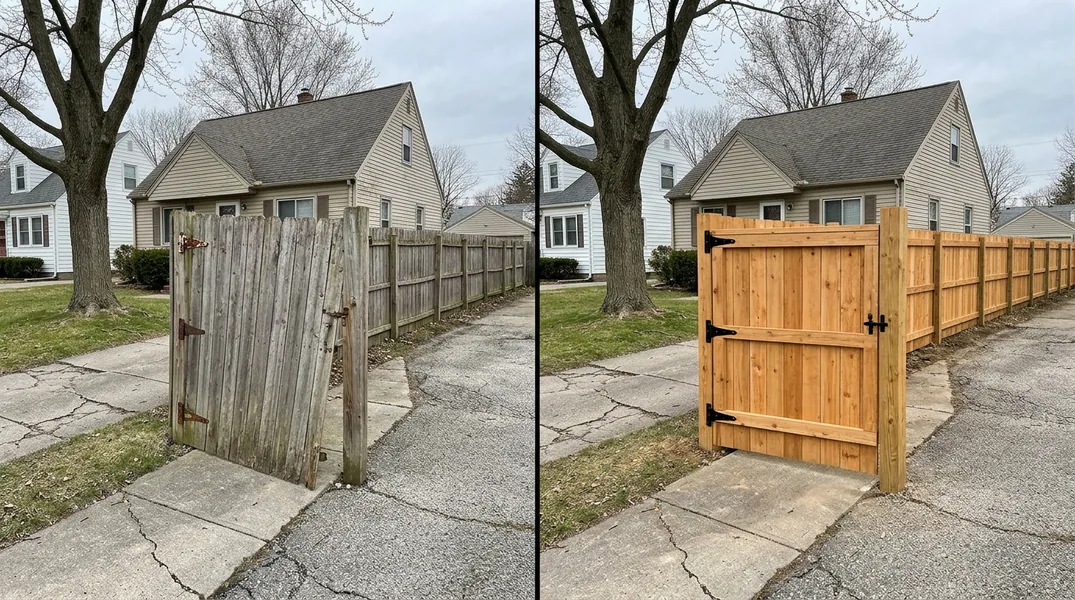
Why Fence Staining Matters in Buffalo's Climate
If you own a cedar or wood privacy fence in Buffalo, you already know that our region's weather can be unforgiving. The combination of heavy snow, freeze-thaw cycles, and wet springs creates an ideal environment for wood deterioration. Without proper protection, your fence can develop rot, splinters, and discoloration within just a few years of installation.
Fence staining serves as a protective barrier against these environmental challenges. When you apply quality stain to your wood fence, you're creating a shield that repels moisture, blocks harmful UV rays, and prevents the wood fibers from swelling and shrinking with seasonal temperature changes. This is especially critical in Buffalo, where spring thaw and winter precipitation are constants.
Many homeowners mistakenly believe that staining is purely cosmetic. In reality, fence staining is a maintenance necessity that extends the life of your investment by years. Without it, you may find yourself replacing sections of fence or dealing with costly repairs much sooner than expected. The difference between a well-maintained stained fence and an untreated one can be as much as five to ten years of additional lifespan.
Fence Staining vs. Fence Sealing: Understanding the Difference
Homeowners often use the terms 'staining' and 'sealing' interchangeably, but they serve different purposes in fence maintenance. Understanding the distinction helps you make the right choice for your property. Fence sealing typically refers to applying a clear protective coat that allows the natural wood grain to remain visible while offering moisture resistance. Sealers are often water-based and provide a more transparent finish.
Fence staining, on the other hand, involves applying a pigmented product that not only protects the wood but also adds color and aesthetic appeal. Stains penetrate deeper into the wood fibers than sealers, providing longer-lasting protection against UV damage and moisture intrusion. Semi-transparent stains allow some wood grain to show through, while solid stains provide complete color coverage similar to paint. For Wood & Privacy Fence Installation in Buffalo's climate, a quality stain is generally the superior choice because it offers both protection and visual enhancement.
The choice between staining and sealing depends on your priorities and budget. If you want maximum protection and color options, staining is ideal. If you prefer to showcase the natural wood beauty with minimal color change, sealing might be your preference. Either way, both require regular reapplication every two to three years in Buffalo's demanding climate.
Fence Staining Cost in Buffalo: What to Budget
When homeowners consider pricing for fence staining, they need to account for several variables that affect the final cost. The size of your fence is the primary driver of expense. A 100-linear-foot privacy fence will cost significantly less to stain than a 300-linear-foot installation. Labor costs in the Buffalo area typically range from $1.50 to $3.50 per linear foot for professional staining, depending on fence condition and complexity.
The condition of your existing fence also impacts fence staining cost. If your fence is relatively new and in good condition, the project may involve simple cleaning and staining. However, if your fence has existing damage, mold, or heavy weathering, the contractor will need to spend time on repairs, sanding, and prep work, which increases labor hours and overall expense. High-quality stain products themselves range from $20 to $60 per gallon, and the amount needed depends on wood porosity and desired coverage.
Additional factors affecting cost include whether you need power washing beforehand, the number of coats required, and the type of stain selected. Solid stains typically cost more than semi-transparent options but provide superior coverage and longer protection. For a typical 150-linear-foot privacy fence in Buffalo, homeowners should budget between $600 and $1,800 for professional staining, including materials and labor. To get an accurate estimate tailored to your specific fence, reach out to Buffalo Fence at (716) 274-5875 or request a free estimate online.
The Best Time to Stain Your Fence in Buffalo
Timing is crucial when it comes to fence staining in Buffalo's variable climate. The ideal window for staining falls in late spring through early fall, when temperatures are moderate and humidity is relatively stable. Stain requires specific conditions to cure properly. Most quality stains need temperatures between 50 and 85 degrees Fahrenheit and should be applied when rain is not expected for at least 24 to 48 hours after application.
Spring is an excellent time to stain your fence after winter damage has been assessed. Winter snow, ice, and freeze-thaw cycles often reveal weak spots or damage that may need attention before staining. By staining in late May or June, you give the product the entire summer to cure and establish a protective layer before the next harsh winter arrives. Summer staining also allows you to monitor the results and plan any necessary touch-ups before fall.
Avoid staining your fence in late fall or winter. Cold temperatures slow curing times dramatically, and early snow or rain can compromise the stain's adhesion before it's fully set. Additionally, staining during Buffalo's wet spring season is problematic because the frequent rain prevents proper drying and curing. If you're planning to stain a newly installed Wood & Privacy Fence Installation, wait at least 6 to 12 months after installation to allow the wood to weather and stabilize before applying stain.
Preparing Your Fence for Staining: A Homeowner's Guide
Proper preparation is the foundation of successful fence staining. Many DIY projects fail not because of poor stain quality, but because homeowners skip or rush the prep work. Begin by thoroughly inspecting your fence for damage, rot, or loose boards. Any soft spots or severely damaged sections should be repaired or replaced before staining. This is where professional contractors add significant value, as they can identify problems that casual observation might miss.
Next, clean your fence thoroughly using a power washer or stiff brush to remove dirt, mold, mildew, and old stain residue. This step is essential because stain cannot properly penetrate wood that's covered in contaminants. After cleaning, allow the fence to dry completely, which may take several days depending on humidity levels. Some contractors recommend lightly sanding the surface to open the wood grain and improve stain absorption, though this is not always necessary for previously stained fences.
Check the weather forecast before you begin. Plan for at least two to three days of dry weather after application. Protect landscaping, plants, and nearby structures by covering them or applying painter's tape. If you're tackling this project yourself, invest in quality brushes and rollers designed for exterior stain application. However, given the technical nature of proper staining and the importance of results in Buffalo's harsh climate, hiring a professional contractor ensures the job is done right the first time. Contact Buffalo Fence at (716) 274-5875 to discuss your fence staining project with experts who understand our local conditions.
Choosing the Right Stain Product for Buffalo Winters
Not all stains are created equal, and selecting the right product for Buffalo's climate is essential for long-term fence protection. Look for exterior wood stains specifically formulated for harsh weather conditions and freeze-thaw cycles. Acrylic latex stains are popular because they're water-based, low-odor, and environmentally friendly, while still providing solid protection. Oil-based stains penetrate deeper and offer superior water repellency, though they require longer drying times and more careful application.
Solid stains provide the most durable protection, creating a film on the wood surface that resists UV damage and moisture for four to five years. Semi-transparent stains showcase the wood grain while offering three to four years of protection. Clear sealers provide the least protection but allow maximum wood visibility. For Buffalo's demanding climate with heavy snow and spring moisture, solid or semi-transparent stains are your best bet over clear sealers.
Premium stain brands designed for northern climates include products with mildew inhibitors and advanced UV blockers. These formulations are specifically engineered to handle the stress that Buffalo winters impose on wood fences. When you request a free estimate from Buffalo Fence, ask about stain product recommendations based on your specific fence condition and aesthetic preferences. Our team can guide you toward options that balance protection, appearance, and value for your investment.
Looking for a professional fence contractor in Buffalo? Buffalo Fence responds fast for all your fence needs.
Get a Free Quote